How Much Does an AI Agent Cost? Every Pricing Model, Priced Honestly
All six AI pricing models with real numbers, three worked total-cost scenarios, and the line items any honest quote should separate.
August 12, 202610 min read
Insights
Practical writing on cloud architecture, delivery strategy, observability, performance, and engineering execution.
At a Glance
Posts
10
Categories
5
Updated
August 12, 2026
Featured Story
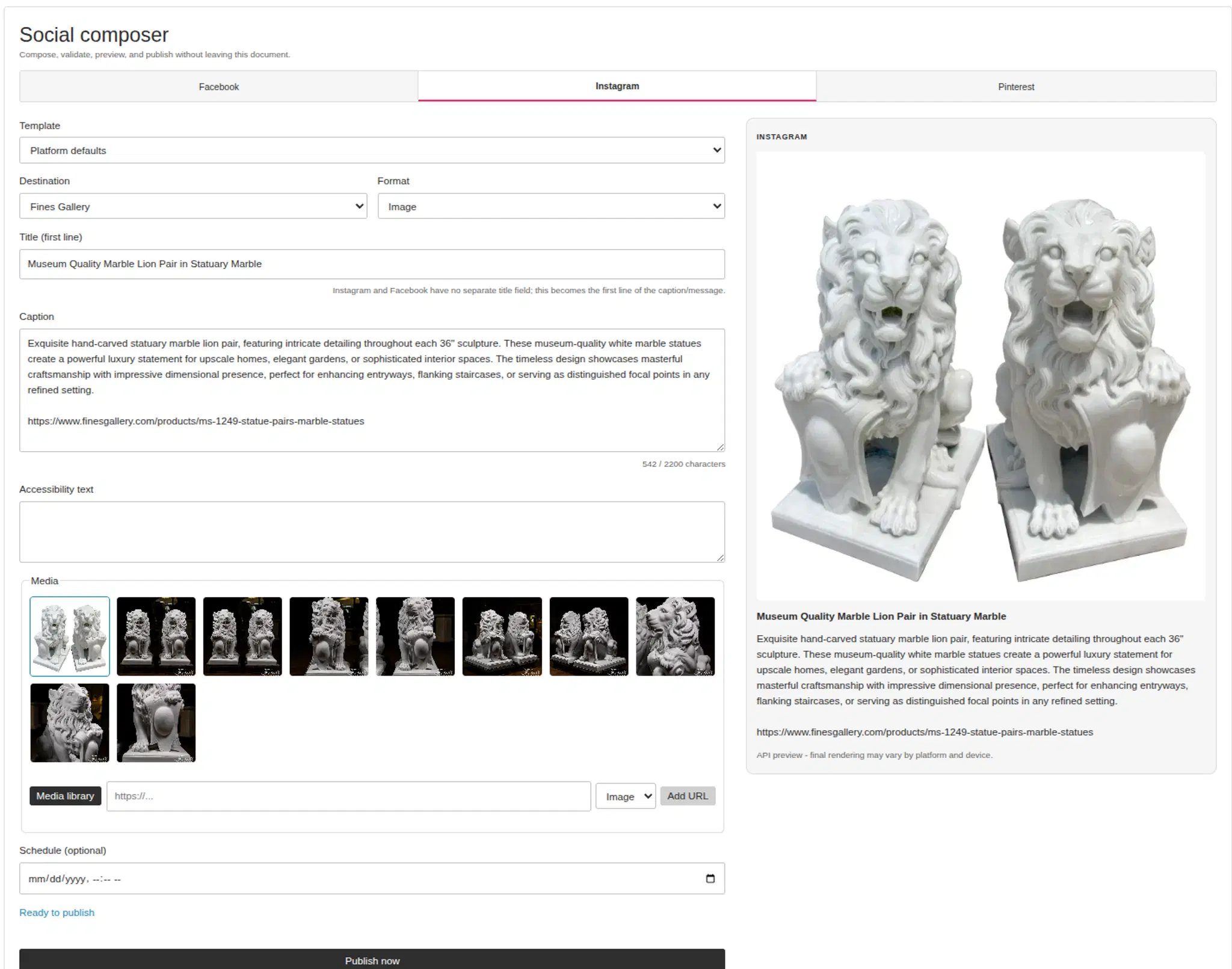
A production Payload CMS social media plugin for Pinterest, Instagram, Facebook, and Google Business Profile, with scheduling, AI-safe tools, and 1,146 tests.
Categories
Filter content by capability area and delivery theme.
Patterns for reliable cloud systems, platform foundations, and environment strategy.
Delivery systems, deployment pipelines, and operational design for scaling teams.
Cloud cost strategy, operational controls, and sustainable spend management.

Articles dealing with Payload CMS, an open-source next.js-based CMS platform that I use extensively in production.
Latest Posts
Fresh takes from active client delivery and platform engineering work.
All six AI pricing models with real numbers, three worked total-cost scenarios, and the line items any honest quote should separate.
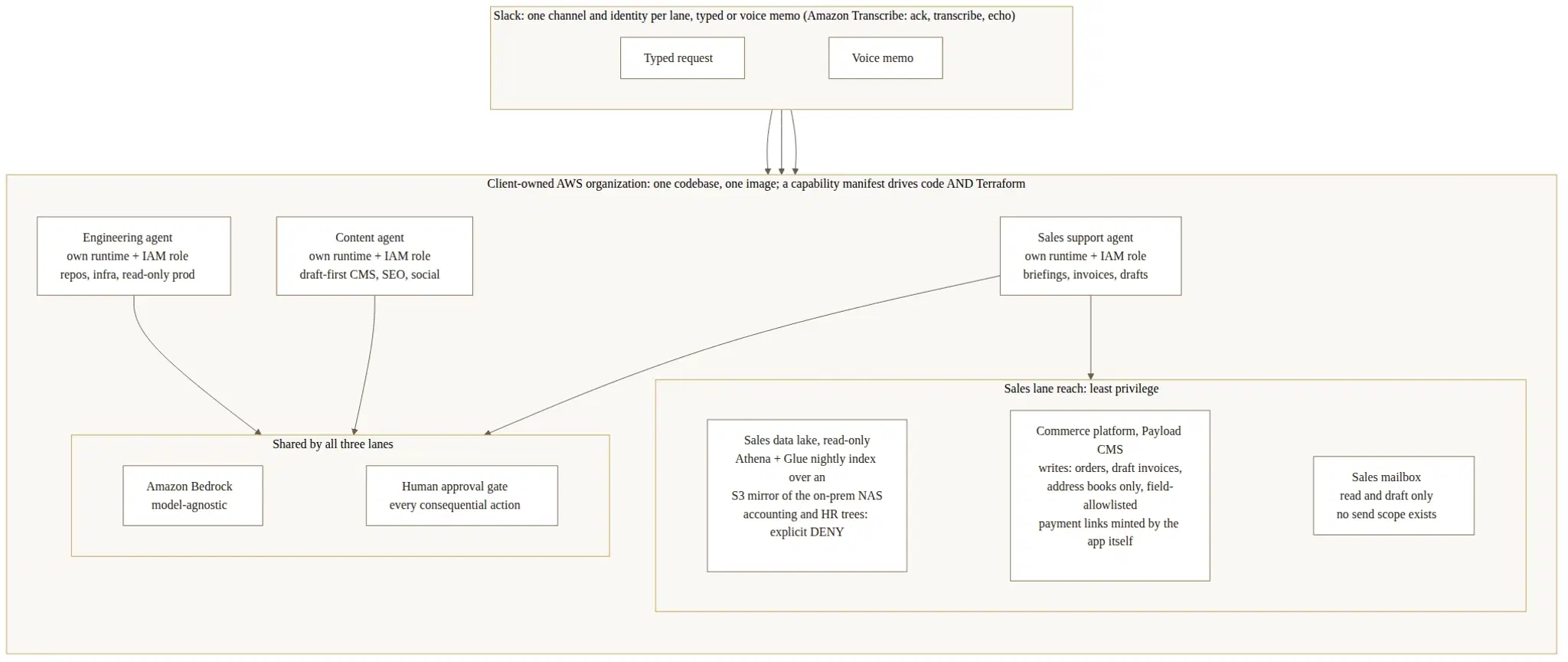
Six questions that expose the difference between owning an AI capability and renting one, each answered from a production system.
A production pattern for client-owned AI agents on AWS, now running at Fine's Gallery with scoped tools, human approval, audit evidence, and no hosted-agent lock-in.
How Fine’s Gallery replaced a 20-year FileMaker invoicing system: 28,062 records migrated, zero duplicates, zero downtime, and a platform-native workflow.
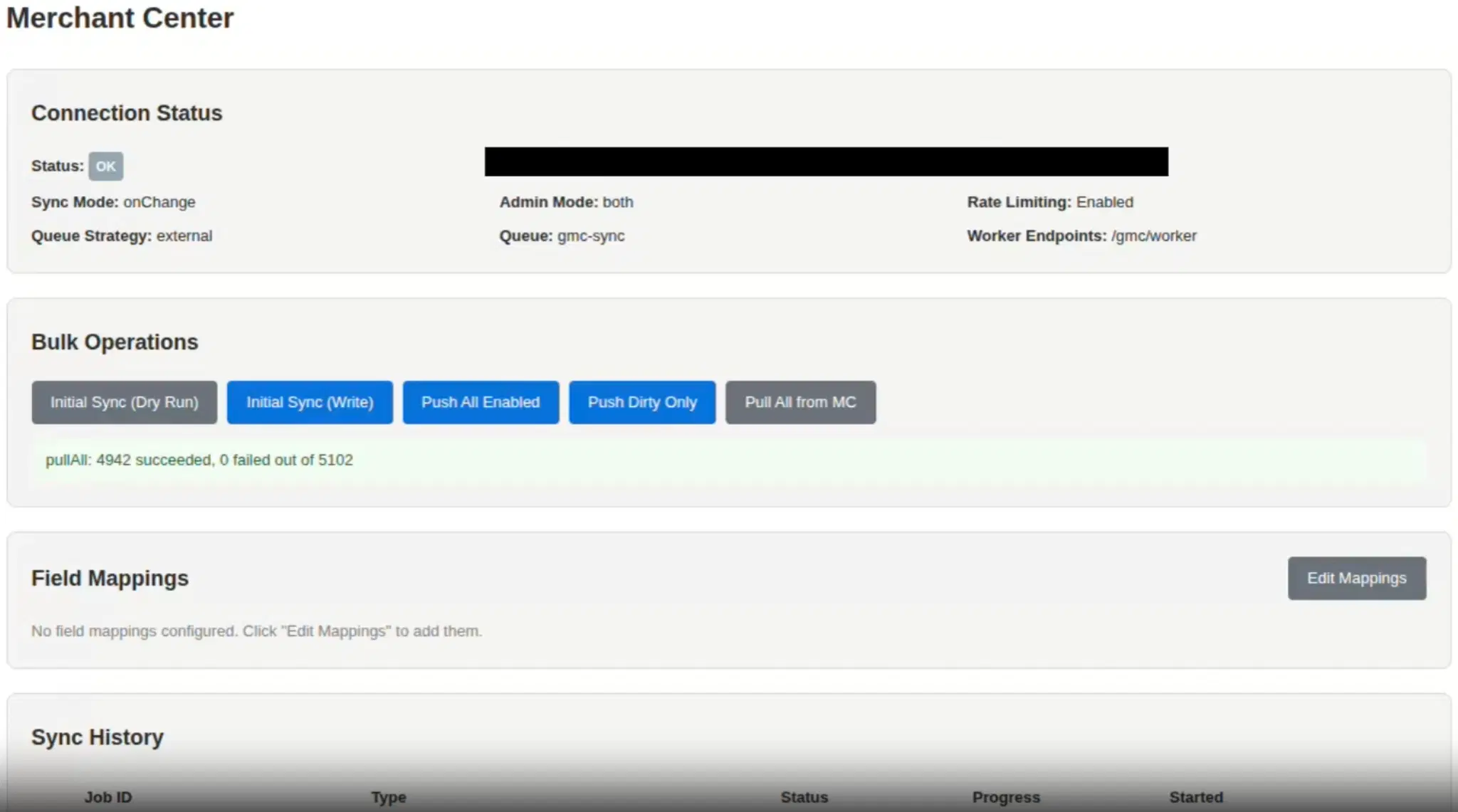
How the open-source Payload CMS Google Merchant Center plugin synchronizes a 5,400-product catalog supporting six-figure monthly Shopping volume.
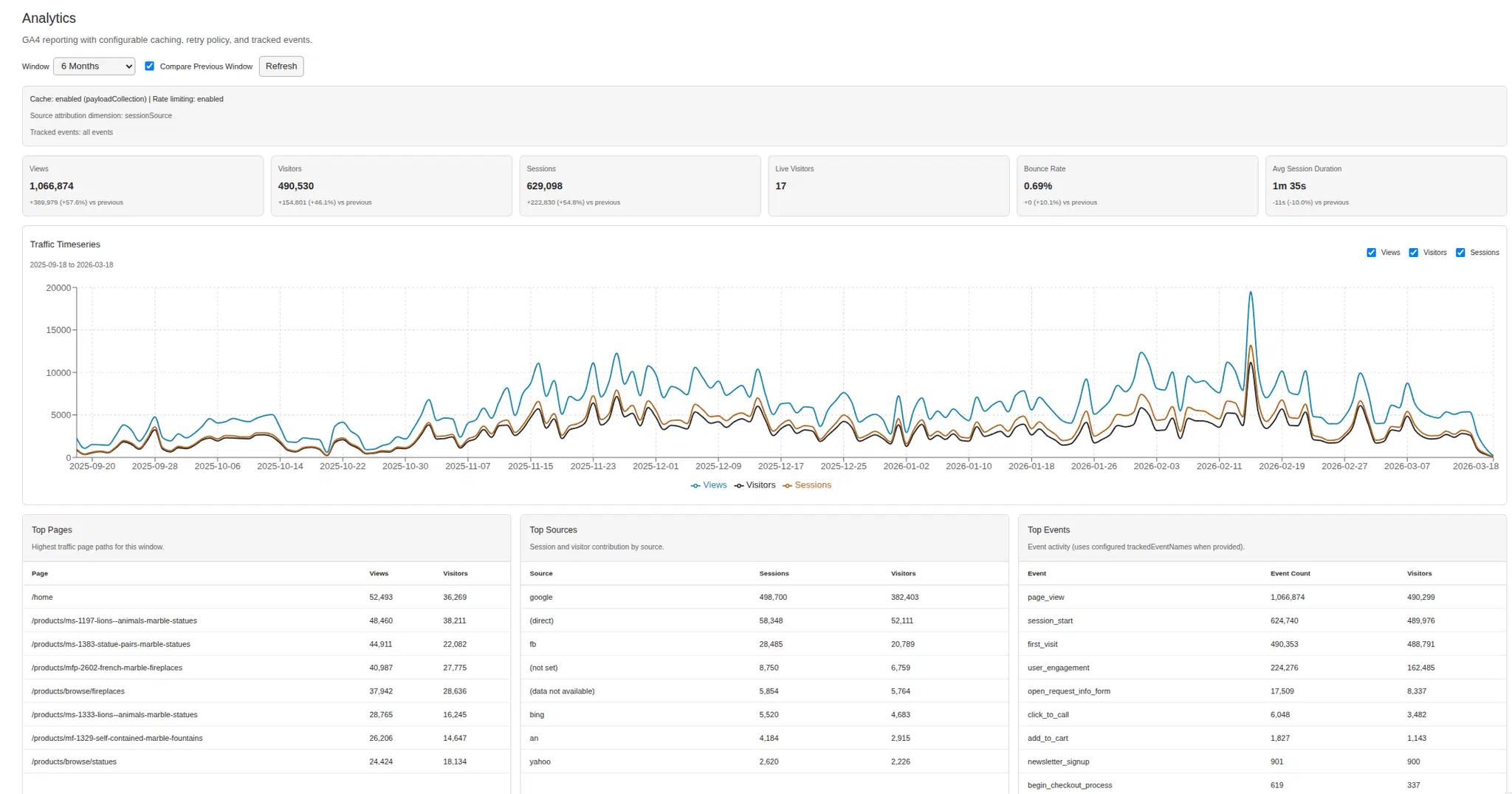
How the open-source Payload CMS GA4 plugin delivers cached reporting, rate limiting, and production analytics for a custom commerce platform.
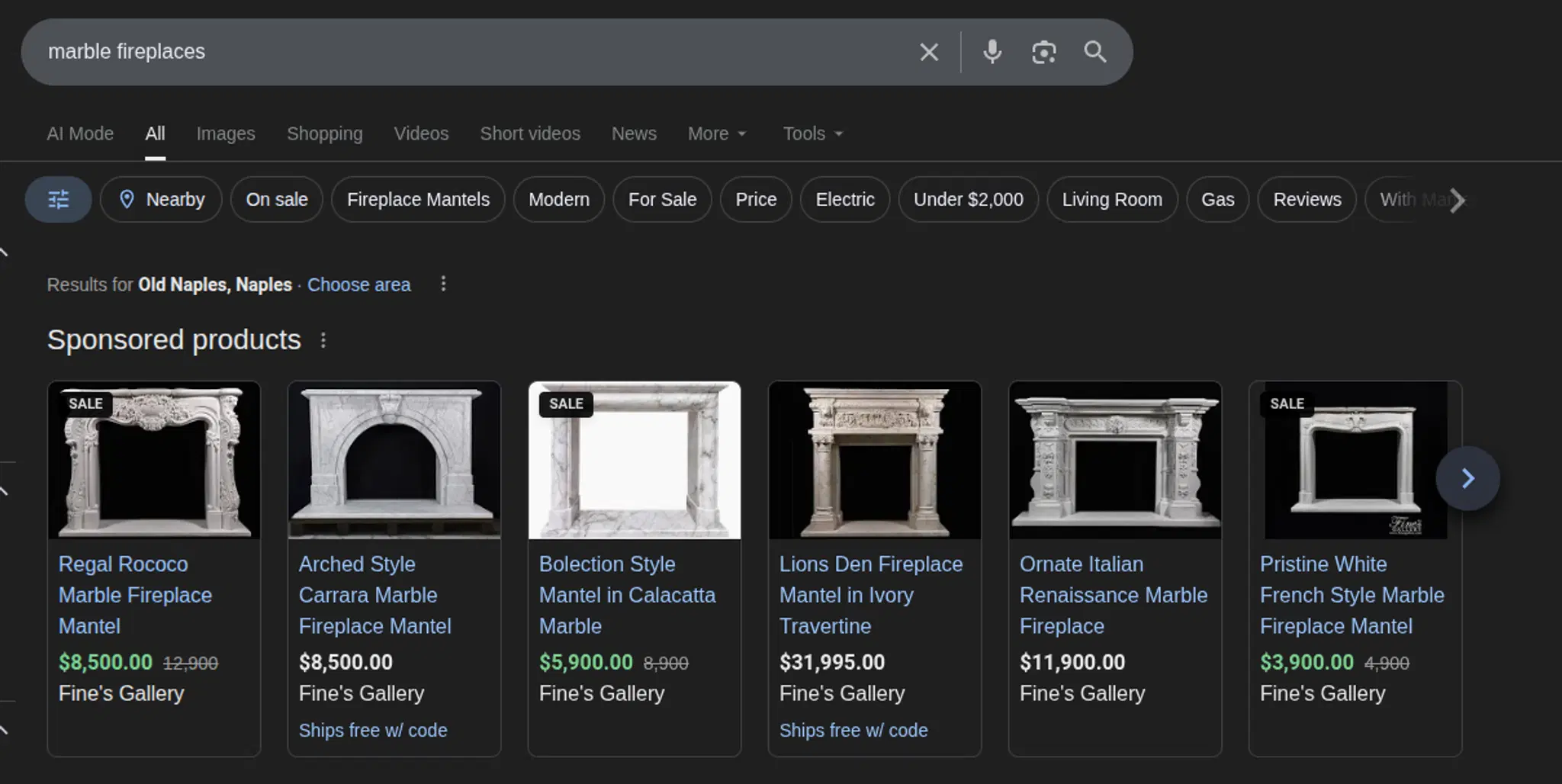
How Fine’s Gallery turned a 5,400-product catalog into a Google Shopping demand engine for a custom high-ticket ecommerce platform.
When standard SaaS checkout stops fitting high-ticket sales, and how to evaluate custom quotes, deposits, payment rails, workflow ownership, and AWS.
A practical architecture for luxury and high-ticket brands that need to own ecommerce workflows, data, integrations, and AWS infrastructure.