High-ticket e-commerce does not win on volume. It wins on precision.
For luxury and architectural brands, the buying cycle is longer, transaction risk is higher, and the path to close is rarely one click. That is exactly why Google Shopping can be a high-performance channel when it is engineered correctly.
This case study breaks down how Fine's Gallery uses Google Shopping as a serious demand engine, not a checkbox marketing channel.
"Google Shopping is for low-ticket impulse products"
High-ticket intent often starts with visual search and product comparison, especially from: architects, designers, procurement teams, and estate managers
Shopify Plugins Are Not Enough
If your listing quality is weak, you get filtered out before the first conversation. If your listing quality and attribution loop are strong, Google Shopping becomes a qualified lead source for complex deals.
Proven Merchant Center / Google Shopping Marketing System
The Fine’s Gallery platform operates a six-figure-per-month order-to-cash workflow, with Google Shopping as the primary acquisition channel.
Fine's Gallery Results Context
According to the public modernization case study, Fine's Gallery reported:
- 660,000+ active users served globally
- six-figure-per-month order-to-cash workflow automation
- 40% direct user acquisition growth from June 1, 2025 through February 22, 2026 versus the preceding period
Reference: https://petertconti.com/case-studies/fines-gallery-platform-modernization
The important point: performance came from systems design and operational discipline, not theme-level tweaks.
What Was Actually Implemented
1. Merchant Center as an Operated System (Not a Static Export)
Fine's implementation uses direct Merchant Center synchronization logic with operational controls:
- controlled listing upsert and delete flows
- authenticated full-sync endpoint for operators
- per-product sync/delete actions in admin
- scheduled daily resync for consistency
This reduces stale listing drift and protects campaign quality when catalog data changes quickly.
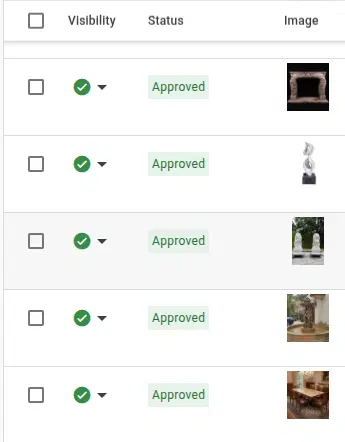
Conti Digital - Fine's Gallery Platform Merchant Center Integration Product Approval Diagram
2. Feed Enrichment Built for High-Intent Matching
The listing payload is enriched beyond minimal SKU/title/price fields. It includes:
- canonical merchant product IDs from internal model IDs
- category mapping (
googleProductCategory) - material classification
- dimensions (height, width, length)
- availability and condition
- sale price logic
- promotion-aware custom labels
- shipping rule logic for eligible promotions
For high-ticket catalogs, this is where traffic quality is won or lost.
3. Promotion Logic Propagates Into Feed State
Promotion updates are tied directly to listing sync behavior, including:
- product-level promo membership changes
- category-level promo scope changes
- custom label changes
- sale window changes
- shipping-promo changes
Result: Shopping listings stay aligned with real commercial conditions.
4. Click-to-Order Attribution Readiness via GCLID Persistence
Fine's checkout captures gclid from:
- URL query parameters
_gcl_awcookie- local storage fallback
That value is persisted into order records, creating the durable click-to-order linkage required for serious long-cycle optimization.
5. Conversion and Performance Instrumentation
The platform includes GTM/GA4 event instrumentation across key commerce events, including:
- add to cart
- started checkout
- submit order
- purchase signaling patterns
This supports campaign diagnostics and revenue accountability.
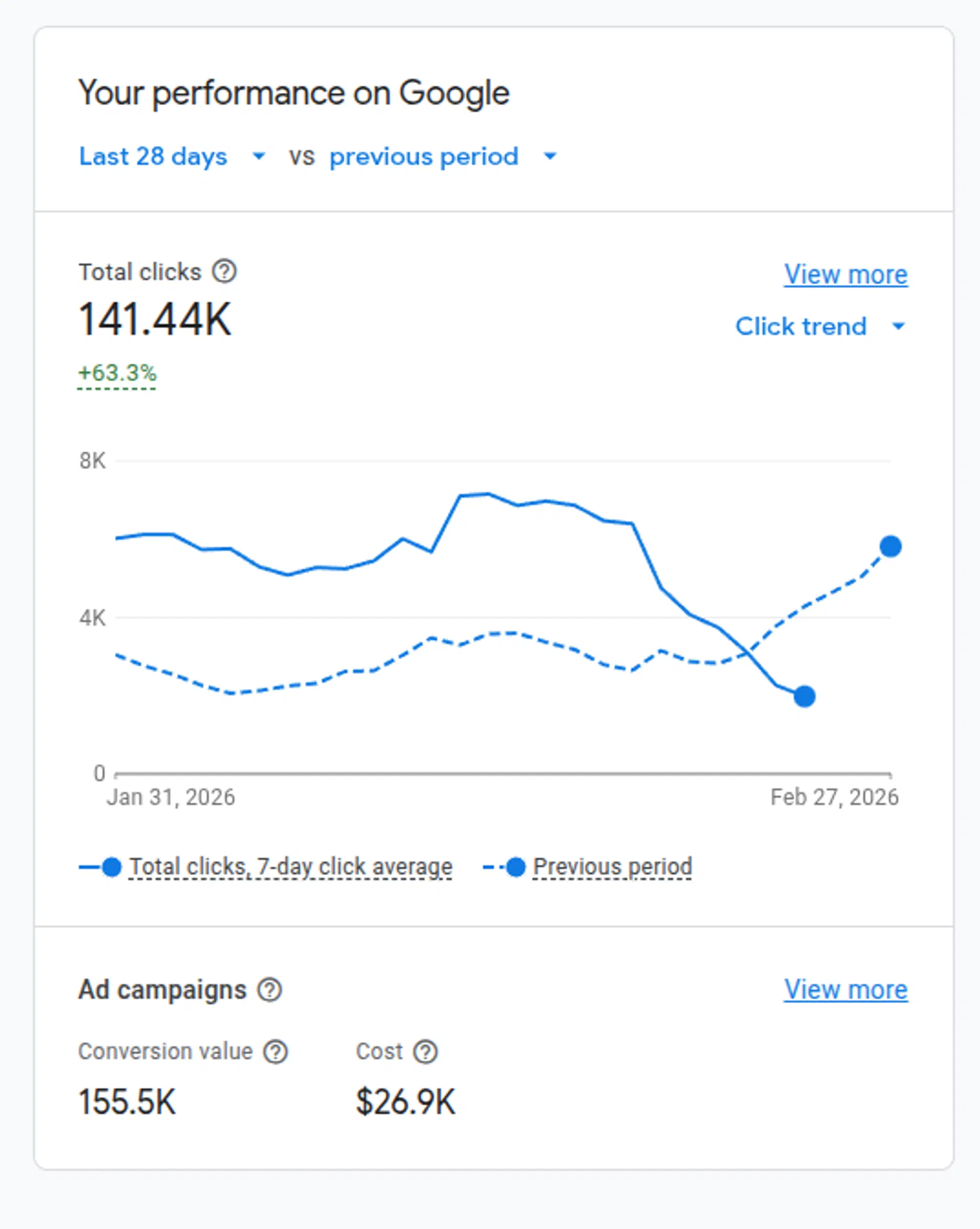
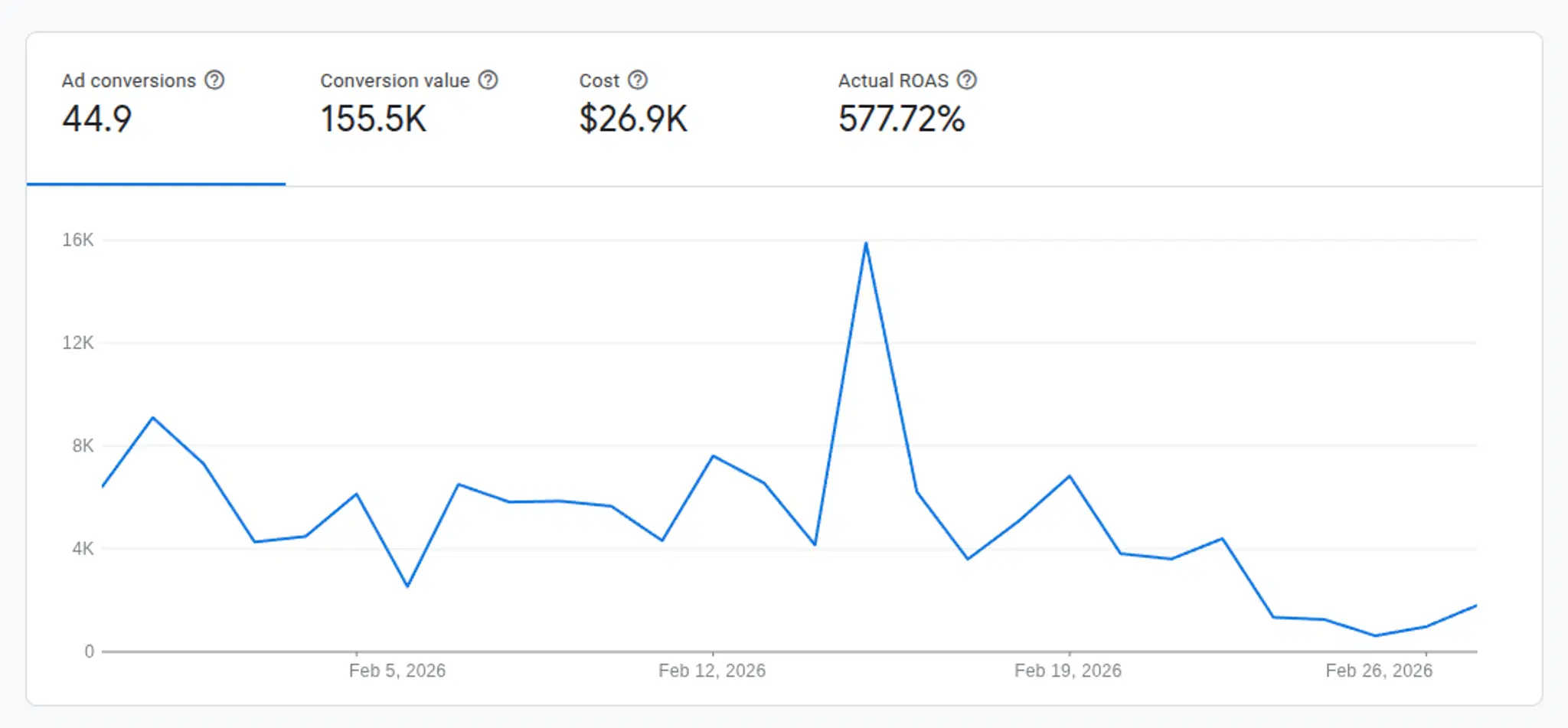
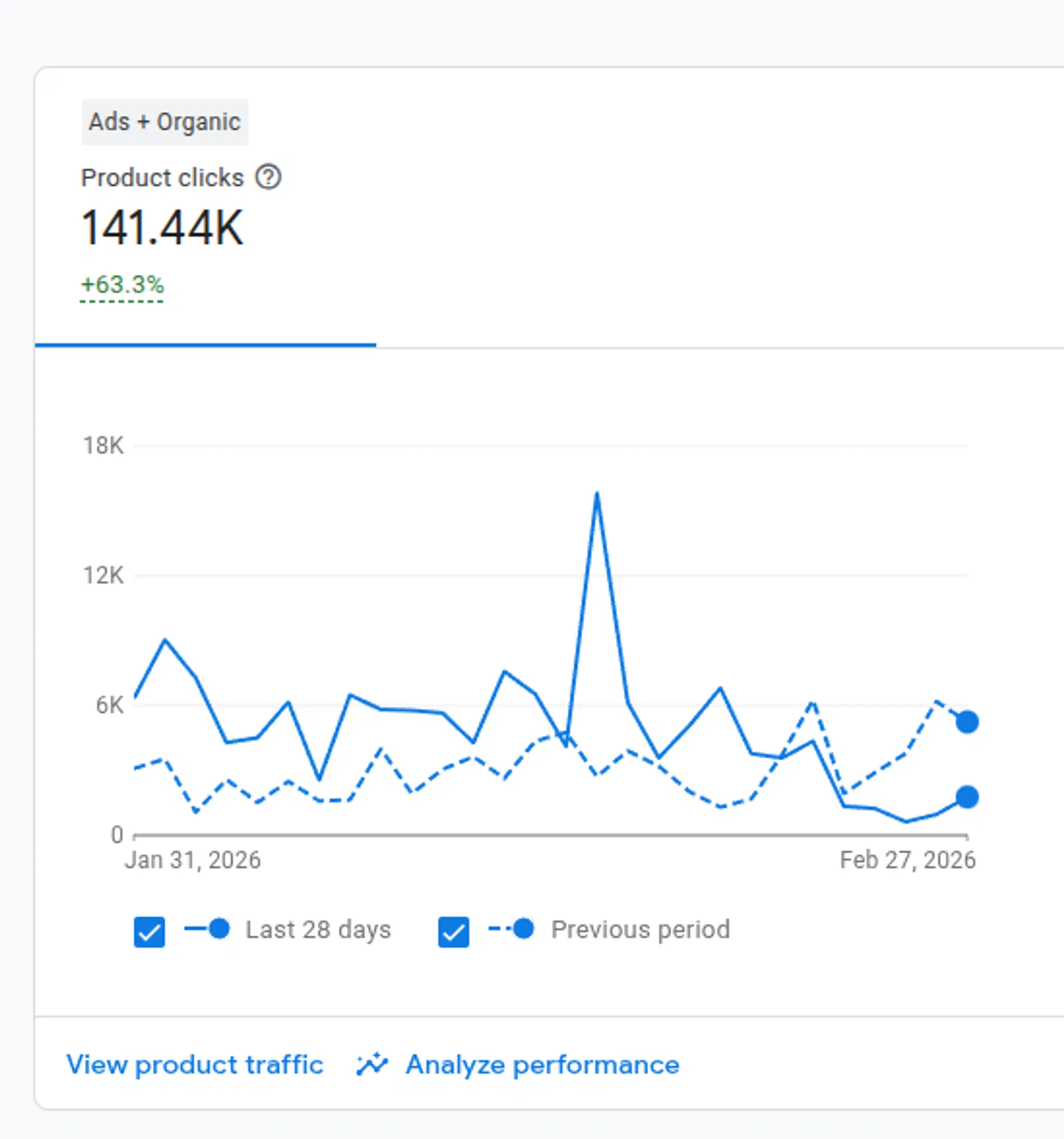
Clear success metrics from the Fine's Gallery platform
6. Trust Layer via Google Customer Reviews Opt-In
Fine's order experience includes Google Customer Reviews opt-in on eligible paid order states.
For high-ticket brands, trust artifacts are not cosmetic. They improve conversion confidence and downstream lead quality.
7. Closed-Loop Optimization Path
The current stack is attribution-ready and conversion-instrumented. The immediate next-level enhancement is automated offline conversion upload into Google Ads when qualified revenue milestones are reached.
The data model foundation for that loop is already present.
Why This Matters for High-Ticket Brands
Typical SaaS feed workflows often under-serve high-ticket operations because they lack:
- attribute-level control
- promotion/feed consistency discipline
- durable long-cycle attribution
- operator-grade sync governance
Fine's pattern solves this by treating Google Shopping as a performance system tightly coupled to commerce operations.
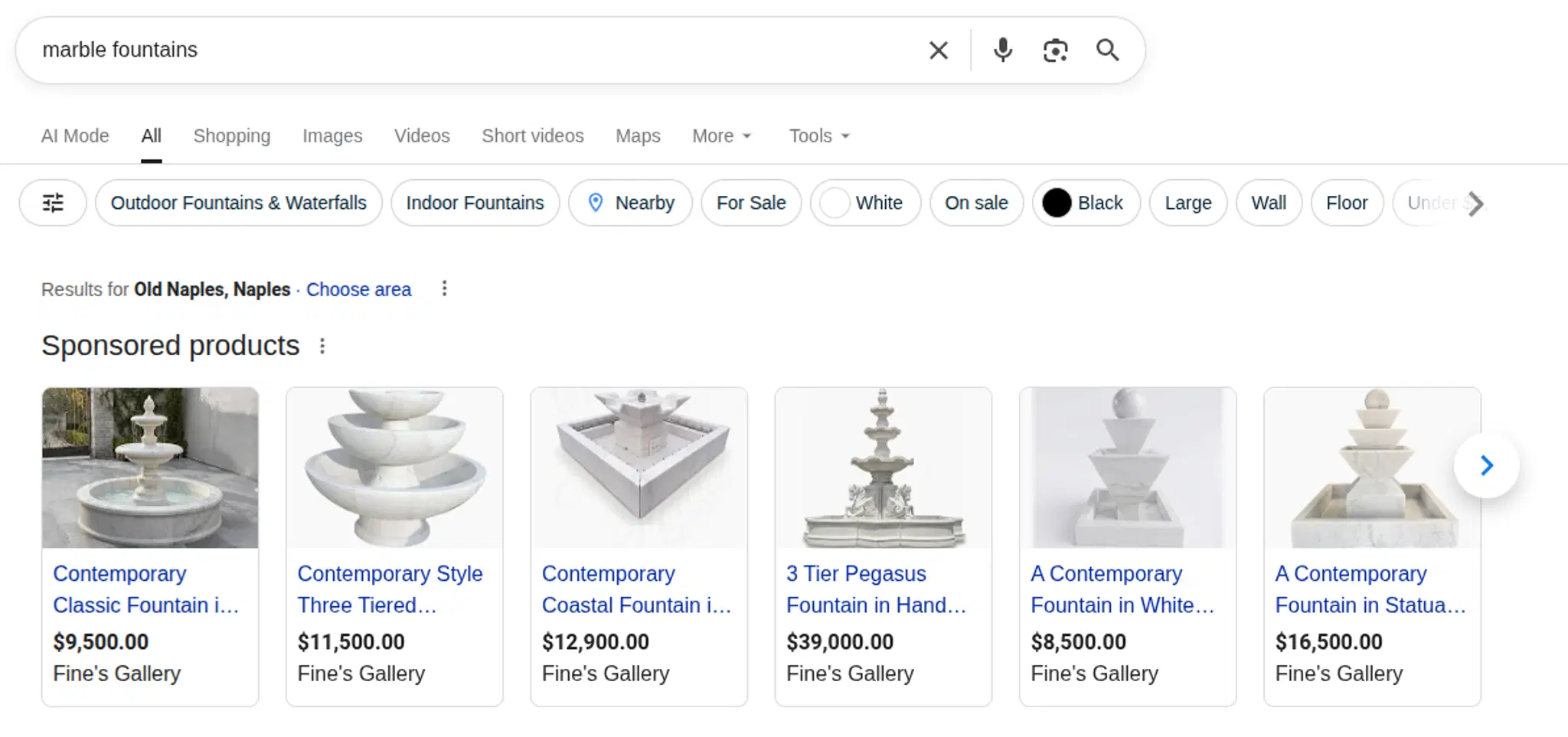
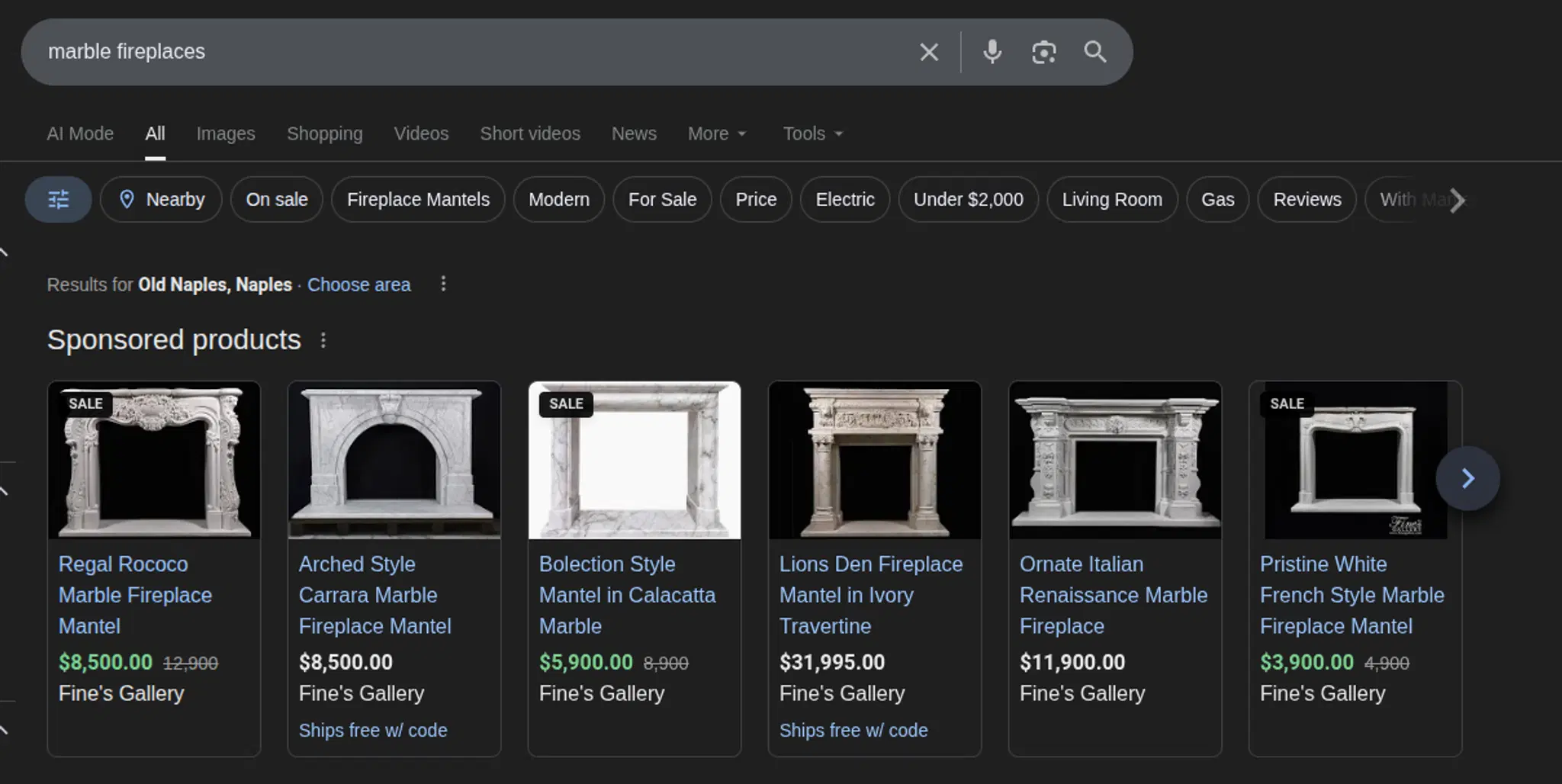
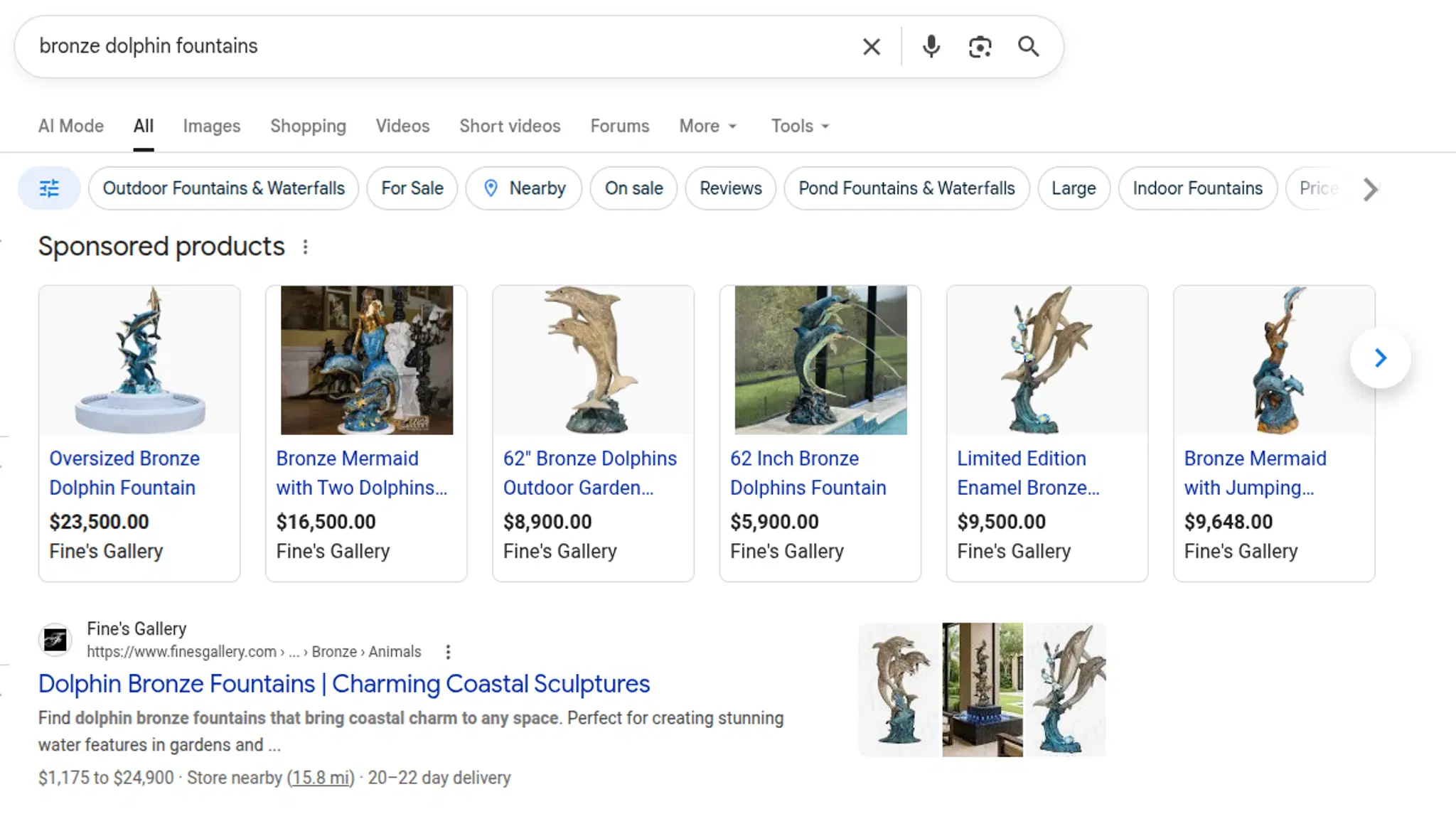
Fine's Gallery has visibility dominance across all major categories on a proven marketing platform that generates real revenue automatically.
Final Takeaway
Google Shopping can be a dominant high-ticket demand channel when it is backed by strong feed architecture, durable attribution, and disciplined operations.
That is the practical lesson from Fine's Gallery.
For this class of brand, performance marketing is not a plugin decision. It is an infrastructure decision.